Table of Contents
- 8 Signs of Hidden Water Leaks to Watch For
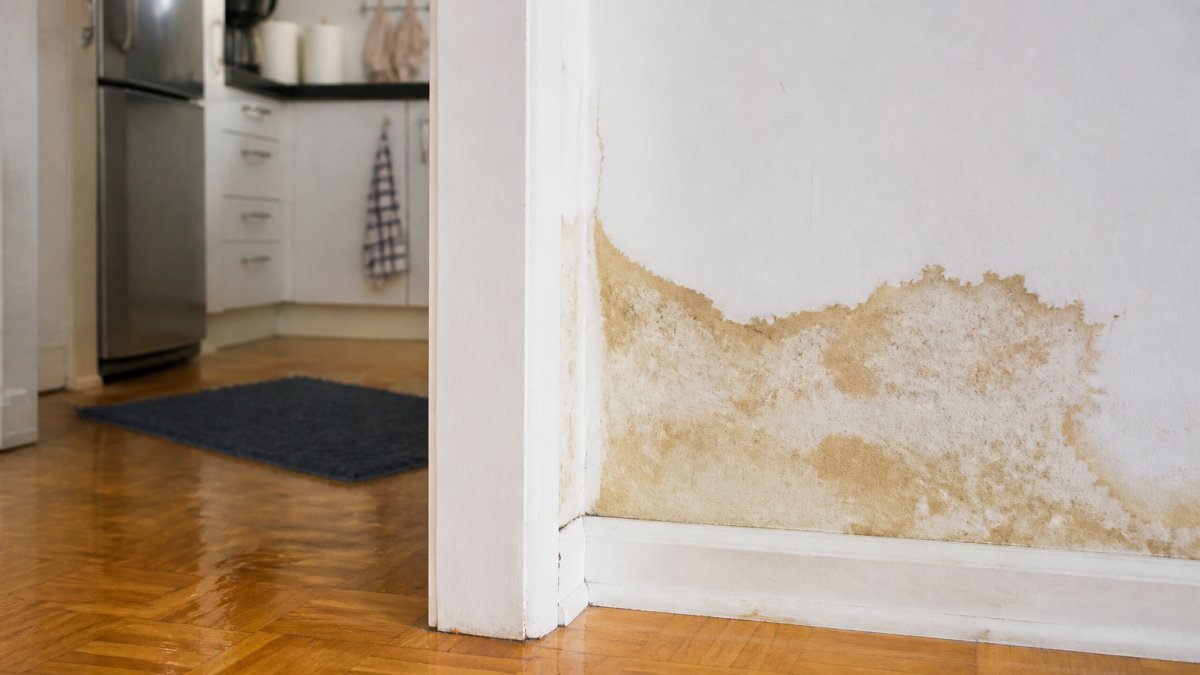
- Visible water stains and discoloration
- Peeling, bubbling, or damaged paint and wallpaper
- Warped, soft, or damaged flooring
- Musty odors and mold growth
- Sounds of running or dripping water
- Damp, wet, or persistently moist areas
- Unexplained increases in water bills
- Soft spots or spongy areas on walls and ceilings
- How to Find a Hidden Water Leak: The Water Meter Test
- Signs of a Water Leak in Walls: Location-Specific Indicators
- Water Leak Detector Devices and Detection Methods
- Common Causes of Plumbing Leaks and Risk Factors
- Distinguishing Plumbing Leaks from Other Water Sources
- Immediate Actions to Limit Water Damage
- When to Call a Professional Plumber
- Frequently Asked Questions
Last Updated: October 19, 2026
8 Signs of Hidden Water Leaks to Watch For
Hidden water leaks damage walls, floors, and foundations silently for weeks or months, and the longer they go undetected, the more expensive the repairs.
Here are the eight most common warning signs. If you spot any, act fast.
Visible water stains and discoloration
Water stains are the clearest visual clue that moisture is traveling through your walls or ceilings.
Check these spots regularly:
- Ceiling corners and edges
- Walls near plumbing fixtures
- Basement walls and concrete floors
Stains that return after painting are a red flag. The moisture is still active underneath.
Peeling, bubbling, or damaged paint and wallpaper
Paint and wallpaper bubble or peel when moisture builds up behind them, pushing the coating off the wall. This usually means water is actively moving through the wall and mold may be growing underneath.
Warped, soft, or damaged flooring
Wood floors warp and buckle when exposed to moisture.
Common locations for flooring damage:
- Bathrooms and kitchens
- Laundry room areas
- Basements near water heaters
Soft or squishy flooring is urgent. The subfloor may already be rotting. Mold can spread quickly in wet wood.
Musty odors and mold growth
A persistent musty smell often means hidden moisture. Mold thrives in damp, dark spaces inside walls, under carpets, and behind baseboards.
Signs of mold or mildew:
- Musty, earthy odor that doesn’t go away
- Black, green, or white spots on surfaces
- Discolored patches on drywall or wood
Do not ignore musty smells, they indicate active moisture and potential mold growth that spreads quickly if untreated.
Mold exposure can trigger allergies and respiratory issues, especially in children and people with asthma. If you suspect mold, have a professional inspect the area before attempting cleanup.
Sounds of running or dripping water
Listen for water sounds when all fixtures are off.
Where to listen:
- Inside walls near plumbing lines
- Under sinks and behind toilets
- In crawl spaces or basements
Turn off all water-using appliances, then listen carefully. Running water sounds when nothing is on confirm an active leak.
Damp, wet, or persistently moist areas
Constant dampness in one spot, even without visible water, signals a leak. The area may feel cooler than surrounding surfaces.
Check for dampness:
- Press your hand against walls and floors
- Look for wet spots that don’t dry out
- Notice areas that feel consistently cool
Persistent dampness leads to mold, rot, and structural damage. It requires immediate attention.
Unexplained increases in water bills
A sudden jump in your water bill is a strong indicator of a hidden leak.
A leak can waste thousands of liters per month. Even small drips add up quickly.
Track your water usage:
- Compare bills month to month
- Note any unusual spikes
- Check meter readings to confirm
An increase of 10-20% or more warrants investigation.
Soft spots or spongy areas on walls and ceilings
Press gently on walls and ceilings. Soft, spongy, or springy areas indicate water saturation and drywall or plaster breaking down from moisture exposure.
Soft spots mean water has been present for weeks or months, structural integrity is compromised, and mold is likely growing inside.
How to Find a Hidden Water Leak: The Water Meter Test
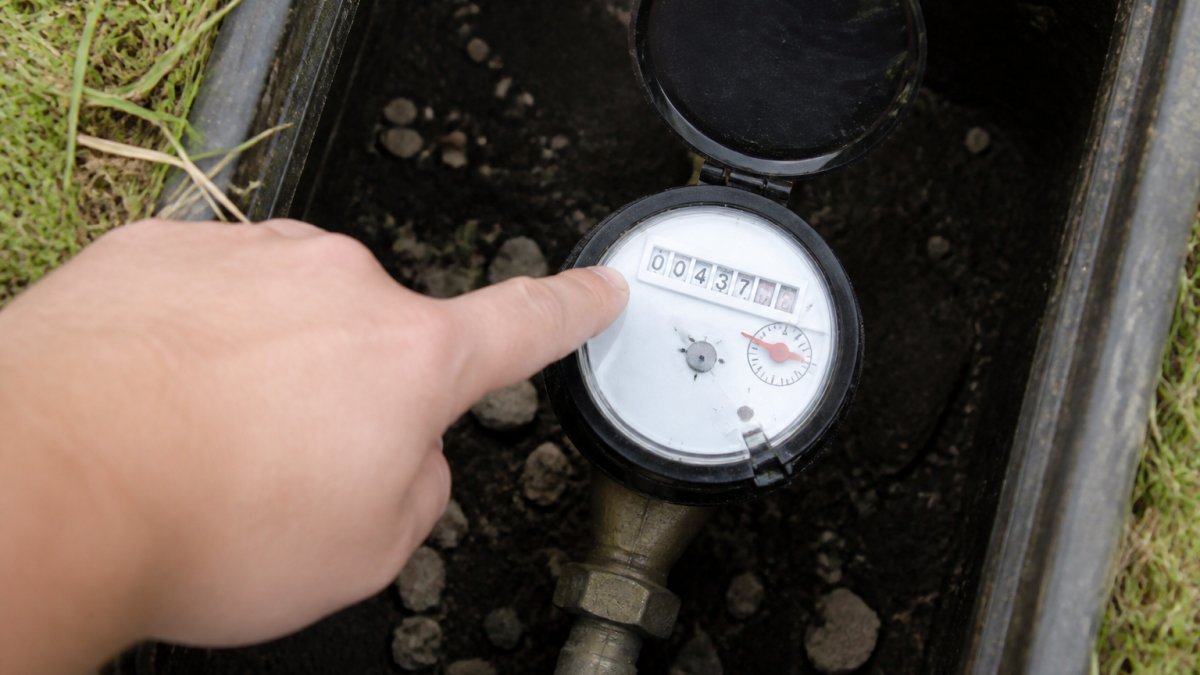
The water meter test is the safest, most reliable way to confirm a hidden leak. It takes 5-10 minutes, requires no special tools, and works because your meter records every drop entering your home.
Step 1: Locate your water meter
Your water meter is usually near the street in a small underground box, in the basement or crawl space, near the main shutoff valve, or on an exterior wall.
Step 2: Turn off all water fixtures
Stop using water completely: showers, sinks, toilets (do not flush), washing machine, dishwasher, ice maker, and outdoor hose. Wait 5 minutes for water in pipes to settle, and make sure no one uses water during the test.
Step 3: Record the meter reading
Open the meter box and note the exact reading on the dial. Most meters show usage in cubic meters or liters; take a photo of the display as your starting point.
Step 4: Wait and recheck
Wait 30-60 minutes without using any water, then check the meter again and record the new reading.
Step 5: Interpret the results
Compare the two readings. No change = No active leak, though the problem may be intermittent or seasonal. Meter advanced = Active leak confirmed; the faster it moves, the larger the leak.
If the meter moves but you cannot find visible signs of a leak, the problem is likely inside walls, under the floor, or in underground pipes. Professional leak detection equipment becomes necessary at this point.
Signs of a Water Leak in Walls: Location-Specific Indicators
Different leak locations show different warning signs. Knowing where to look speeds up detection.
Interior wall leaks
Interior walls contain plumbing lines that supply sinks, toilets, and showers.
Look for:
- Discolored patches on walls or ceilings
- Soft drywall or plaster
- Peeling paint or wallpaper
Interior wall leaks often affect the room below, a leak in an upstairs bathroom may show as ceiling stains below.
Leaks around plumbing fixtures
Connections around toilets, sinks, and showers are common leak points as rubber seals wear out and connections loosen.
Check these areas carefully:
- Base of toilet (water may pool on the floor)
- Under sink cabinets (look for wet wood or mold)
- Around shower or tub walls
Water pooling at the base of a toilet is urgent.
Hidden leaks in exterior walls
Exterior walls are exposed to weather and temperature changes.
Signs of exterior wall leaks:
- Water stains on interior drywall near outside walls
- Damp insulation visible in the wall cavity
- Mold or discoloration on exterior siding
Exterior wall leaks are tricky because water can travel inside the wall cavity for long distances before showing damage.
Water Leak Detector Devices and Detection Methods
When visual inspection and the meter test do not reveal the leak source, professional detection tools help pinpoint the exact location. Professional detection tools help pinpoint the exact location.
Moisture meters
A moisture meter detects moisture levels in walls, floors, and materials, showing where water is hiding before visible damage appears. The probe is pressed against the surface and the device displays moisture content as a percentage; higher readings indicate active moisture and help the technician narrow down the leak area.
Thermal imaging cameras
Thermal cameras detect temperature differences caused by water flow: moving water is cooler than dry surfaces, creating a visible thermal signature. They show water movement inside walls, identify active leaks instantly, require no drilling, and pinpoint the location precisely.
Acoustic leak detectors
These devices listen for the sound of water escaping under pressure, a distinctive hissing or spraying sound that the detector amplifies. Use acoustic detection when water is escaping at high pressure, the leak is in a pressurized pipe (supply lines, not drain lines), visual clues do not point to a specific location, or the leak is behind concrete or thick walls.
When to use professional detection
Call a professional if:
- The meter test confirms a leak but you cannot find it
- Multiple detection methods are needed
- The leak is in underground pipes or concrete slabs
Spencer4Hire Plumbing has the equipment and expertise to locate leaks quickly and accurately.
Common Causes of Plumbing Leaks and Risk Factors
Understanding what causes leaks helps you prevent them. Some risk factors are beyond your control, but maintenance can reduce the likelihood of failure.
Aging pipes and corrosion
Pipes corrode and weaken over time; copper, galvanized steel, and polybutylene all have limited lifespans. Corrosion risk increases with pipe age (galvanized steel fails after 40-50 years), hard water mineral buildup, acidic water that eats through metal, and freezing cycles that stress pipe walls.
High water pressure
Water pressure above 80 psi (pounds per square inch) stresses pipes and connections, forcing water through micro-cracks and weak seals. Causes include municipal pressure above recommended levels, a failed or missing pressure regulator, and thermal expansion in closed systems.
Frozen pipes
Freezing temperatures cause water inside pipes to expand. The ice creates pressure that cracks or bursts the pipe.
Pipes at highest risk:
- Exterior walls with poor insulation
- Crawl spaces and attics
- Pipes exposed to outdoor air
Prevent freezing by insulating vulnerable pipes and allowing faucets to drip slowly during cold snaps.
Loose or corroded connections
Joints and connections weaken over decades. Vibration from water flow loosens fittings. Corrosion eats through solder or connection seals.
Common problem areas:
- Supply line connections under sinks
- Water heater inlet and outlet connections
- Toilet fill valves
Tightening loose connections is an easy DIY fix. Use a wrench to snug the fitting, do not over-tighten, which can strip threads or crack fittings.
Distinguishing Plumbing Leaks from Other Water Sources
Not all water damage comes from plumbing leaks. Condensation, roof leaks, and foundation seepage look similar but require different solutions.
Condensation versus plumbing leaks
Condensation forms when warm, moist air contacts cold surfaces.
How to tell the difference:
| Sign | Condensation | Plumbing Leak |
|---|---|---|
| Timing | Appears after showers or in humid weather | Constant or intermittent |
| Location | On pipes, windows, mirrors, cold surfaces | Under fixtures, in walls, on ceilings |
| Smell | None (or fresh water smell) | Musty odor develops over time |
| Pattern | Temporary; disappears when air dries | Persistent; grows worse over time |
| Temperature | Cold surface causes moisture to form | No temperature trigger |
Condensation is harmless but can promote mold if not addressed. Improve ventilation by running exhaust fans during and after showers.
Roof leaks and exterior water intrusion
Roof leaks and water entering through walls look like plumbing leaks but originate from outside.
Signs of roof or exterior leaks:
- Water appears only during or after rain
- Stains follow a path from the roof down
- Attic insulation is wet
Plumbing leaks occur regardless of weather. They are not tied to rain events.
Foundation seepage
Water entering through the foundation or basement walls is not a plumbing leak. It is groundwater or surface water finding cracks or gaps.
Foundation seepage signs:
- Water appears along the base of walls
- Concrete is damp or wet
- Water only appears after heavy rain or snowmelt
Foundation leaks require waterproofing or drainage solutions, not plumbing repair.
Immediate Actions to Limit Water Damage
If you confirm a leak, act fast to minimize damage. The first 24 hours are critical.
Safety first: electrical hazards
Water and electricity do not mix. If water is near outlets, switches, or appliances, turn off power at the breaker immediately.
Do not touch:
- Wet electrical outlets or switches
- Wet appliances or cords
- Wet light fixtures
Call a licensed electrician if water has contacted electrical systems. Do not attempt repairs yourself.
Shut off the water supply
Stopping water flow prevents further damage.
Main shutoff locations:
- Basement or crawl space near the foundation
- Inside the home near the water meter
- Outside the home in a meter box
If you cannot locate the main shutoff, shut off water at the meter.
Turning off water is safe and will not damage your plumbing.
Document the damage
Take photos and videos of all visible water damage. Photograph:
- Wet areas and stains
- Damaged materials (drywall, flooring, insulation)
- Mold or discoloration
Documentation helps with insurance claims and repair estimates. Save all receipts for cleanup and repair work.
Remove standing water and dry the area
Use a wet vacuum or mop to remove standing water.
Drying quickly prevents mold growth.
If water has soaked insulation, drywall, or wood, professional drying equipment may be necessary.
The faster you stop the water and begin drying, the less damage will occur. What takes 24 hours to dry will cause minimal mold risk; what sits wet for a week will likely require mold remediation.
When to Call a Professional Plumber
Some leaks are simple fixes you can handle. Spencer4Hire Plumbing responds to emergency leaks 24/7 because early action prevents expensive damage.
Call a professional if:
- The leak is inside walls or under floors
- You cannot locate the leak source
- The leak is large or spraying water
Our licensed plumbers use professional detection equipment to find leaks accurately.
Emergency leaks demand immediate response. Burst pipes, sewage backups, and water pouring into walls require 24/7 service.
Homeowners in Carleton Place, Perth, Almonte, and surrounding areas who need same-day or next-day leak repairs, professional detection equipment, and transparent pricing without hidden fees.
Water leaks cause thousands of dollars in damage when left undetected. We offer clear quotes with no hidden fees and stand behind every repair. For information on water damage prevention and restoration, consult the Canadian Property Managers Association and Insurance Bureau of Canada guidance on water damage claims. When in doubt about the source or severity of water damage, Health Canada’s guidance on mold in homes provides resources for safe assessment and remediation.
Frequently Asked Questions
How do I check my water meter for a hidden water leak?
Turn off all water fixtures in your home, then note the reading on your water meter. Wait 30 minutes without using any water, then check the meter again. If the reading has changed, you likely have a leak. For accuracy, perform this test twice. If both readings show movement, contact a licensed plumber to locate and repair the leak before water damage spreads.
What are the most common signs of a hidden water leak?
Look for water stains on ceilings, walls, or floors; unexplained increases in your water bill; peeling or bubbling paint; warped or soft flooring; musty odors or visible mold; sounds of running or dripping water when fixtures are off; and persistently damp areas. Any combination of these signs warrants a thorough inspection to identify the leak’s source and prevent costly water damage.
How can I distinguish a plumbing leak from condensation or a roof leak?
Plumbing leaks typically appear near pipes, under sinks, around toilets, or along walls where plumbing runs. Condensation occurs on cold surfaces like pipes or windows and dries quickly. Roof leaks follow water paths downward and worsen during heavy rain. Plumbing leaks are often steady. If unsure, a professional plumber can pinpoint the source accurately.
When should I call a plumber about a suspected hidden water leak?
Call immediately if you notice unexplained water bill increases, visible water stains, mold growth, or hear running water when all fixtures are off. Do not delay, as hidden leaks can cause structural damage, mold, and electrical hazards. A licensed plumber can detect and repair the leak quickly, protecting your home and preventing expensive repairs down the road.