Table of Contents
- Why Plumbing Repair Costs Catch Homeowners Off Guard
- Build a Preventive Maintenance Schedule That Fits Your Home
- Fix Small Issues Before They Become Major Repairs
- What a Home Plumbing Inspection Cost Covers and When to Book One
- How to Read a Plumbing Repair Estimate and a Written Plumbing Quote
- Questions to Ask a Plumber Before Repairs Begin
- Warning Signs That Need a Licensed Plumber Immediately
- Frequently Asked Questions
Last Updated: October 18, 2026
Why Plumbing Repair Costs Catch Homeowners Off Guard
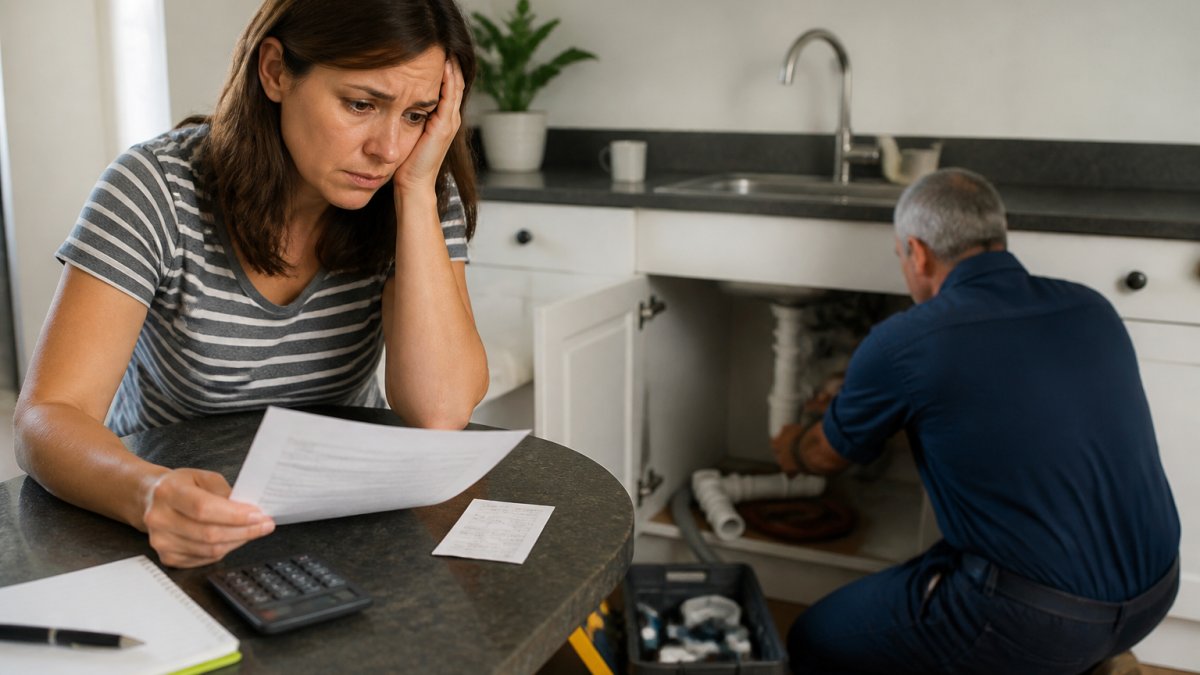
The biggest reason plumbing repair costs blindside homeowners is simple: most of the damage happens out of sight.
At Spencer4Hire Plumbing, we see it constantly.
Plumbing repair costs are the total you pay to fix a problem: parts, labor, and any water damage left behind.
Here’s the trap. A dripping faucet feels minor. A running toilet feels annoying. Neither feels like an emergency.
- A worn faucet washer becomes a corroded valve seat
- A running toilet wastes water and stresses the fill valve
- A hidden leak rots the subfloor before a stain appears
The good news is that surprise repair costs are largely preventable.
Ignoring a slow leak under a sink is the most common path to a five-figure water damage claim. The leak itself is cheap to fix. The rot, mold, and flooring it causes are not.
Build a Preventive Maintenance Schedule That Fits Your Home
Preventive maintenance is the single best way to lower plumbing repair costs over time. A regular schedule catches problems while they are still small and cheap to fix.
You don’t need a complicated system. You need a routine you’ll actually follow. Here’s how we’d set it up, with the mechanism behind each task so you know what you’re looking for.
What to Inspect Monthly, Seasonally, and Annually
Split the work by how often it needs doing. That keeps it manageable and makes it obvious when something is overdue.
Every month (about 15 minutes):
- Check under every sink and around the base of the toilet for dampness, staining, or a musty smell. A slow supply-line leak shows up as a dark ring on the cabinet floor long before it shows up as a bill.
- Look for dripping faucets and listen for a toilet that keeps running after the flush. A running toilet is usually a warped flapper or a failing fill valve, and it can waste a large volume of water continuously.
- Test the shut-off valves under sinks and behind each toilet by turning them off and on. A valve that has sat open for years can seize or snap the moment you need it in an emergency.
Every season (about 30 minutes):
- Clear drain screens and remove hair and soap buildup. Hair combined with soap scum is the most common cause of a slow bathroom drain, and it is far cheaper to clear early than to snake a clogged line later.
- Check the sump pump by pouring a bucket of water into the pit and confirming it kicks on and drains. A sump pump that fails during a storm is a basement water-damage claim waiting to happen.
- Look for rust, corrosion, or green staining on exposed pipes and around fittings. Corrosion weakens the pipe wall and is often the first visible sign of a pinhole leak forming.
Once a year (book or schedule):
- Book a professional inspection. A plumber can check water pressure, test valves, and camera a drain line if there are signs of a recurring clog.
- Flush the water heater to clear sediment. Sediment buildup insulates the burner or element, raises energy use, and shortens the tank’s life.
- Check water pressure with a simple gauge on an outdoor hose bib. Pressure that is too high stresses supply lines and fixtures and can shorten the life of the whole system.
- Test any backflow prevention device if your home has one, and confirm it is working as intended.
A practical inspection checklist organized by frequency is the difference between a plan and a wish. Print it, stick it on the fridge, and tick it off. The goal is not perfection; it is catching the small, cheap problems before they turn into the expensive ones.
Test your shut-off valves before you need them. Turn each one off and on once a year. A valve that has sat open for a decade often seizes or snaps the moment you need it in an emergency.
A monthly walk-through, a seasonal deep check, and one annual professional visit cover the tasks that prevent most surprise plumbing bills.
Fix Small Issues Before They Become Major Repairs
Small issues are where the real savings live. A dripping faucet is a minor fix now and a bigger job later. A running toilet is a cheap part today and a high water bill plus a worn-out valve tomorrow.
The pattern is always the same. Small problems get ignored, the damage spreads, and major repairs replace minor ones. This is the core of avoiding surprise plumbing repair costs.
Leaky Faucets, Running Toilets, and Hidden Leaks
Leaky faucet: Usually a worn washer, cartridge, or O-ring.
Running toilet: Often a failing flapper or fill valve. It can waste a huge amount of water and stress the whole assembly.
Hidden leak: The dangerous one. Signs include a musty smell, a spike in your water bill, or a soft spot in the floor.
- Fix drips the week you notice them
- Replace toilet flappers as soon as they warp
- Watch your water bill for unexplained jumps
If you’re not confident with a wrench, that’s fine. A short service call now is far cheaper than a water damage cleanup later.
The cheapest plumbing repair is the one you do early. Every small issue you fix on time is a major repair you never pay for.
What a Home Plumbing Inspection Cost Covers and When to Book One
A home plumbing inspection cost depends on the size of your home, the number of fixtures, and whether the plumber uses a camera to check drains. Pricing varies, so ask for a clear written quote before booking.
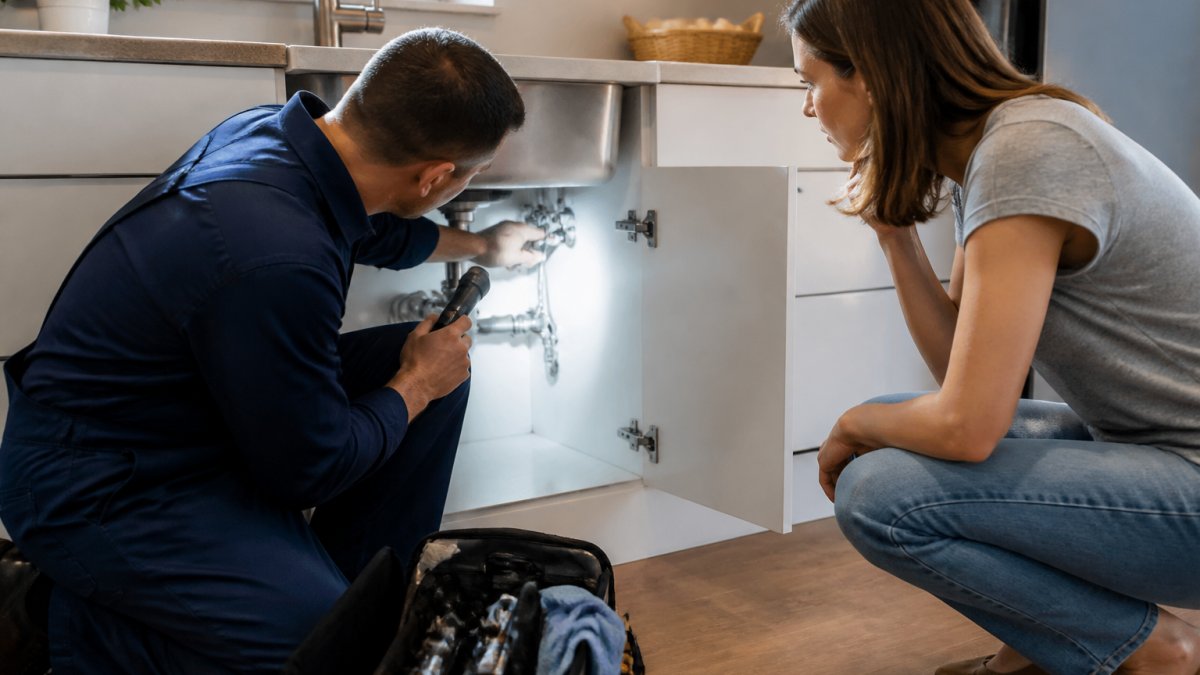
A good inspection covers more than a quick look. Expect a check of:
- Supply lines and shut-off valves
- Faucets, toilets, and drains
- The water heater and its connections
- Visible pipes for corrosion or leaks
When to book one: if your home is older, if you’ve never had an inspection, before buying a house, or any time you notice a musty smell or a rising water bill.
How to Read a Plumbing Repair Estimate and a Written Plumbing Quote
A written plumbing quote is your protection against surprise charges. Read it line by line before you approve any work, and compare it against at least one other written quote when the job is more than a minor fix.
The goal is simple: know exactly what you’re paying for before the wrench comes out, and understand which factors can legitimately move the final bill. Here’s what a solid estimate should show and how to compare two of them.
Line Items That Should Always Appear
- Labor: hourly rate or flat fee, and estimated hours
- Parts and materials: itemized, not lumped together
- Diagnosis or service call fee: stated up front
- Permits: if the job requires one
Watch for vague lines like “miscellaneous” or “additional work as needed.” Those are where surprise charges hide. Ask for a written plumbing quote that spells everything out.
What Drives the Final Cost Up or Down
Two quotes for the same problem can differ for legitimate reasons. Knowing the drivers helps you judge whether a price is fair rather than just cheap or expensive.
- Access and location: a fixture in an open basement is faster to reach than one behind a finished wall or under a slab. The more demolition and restoration required, the higher the bill.
- Parts grade: builder-grade versus premium fixtures, standard versus specialty valves, and whether parts are stocked locally or ordered in.
- Time of day and urgency: emergency and after-hours calls typically carry a premium over scheduled work. Ask whether the quote is for standard hours.
- Damage severity: a leak that has soaked insulation or warped flooring turns a single repair into a repair plus water-damage remediation. That is why early fixes cost less.
How to Compare Two Quotes Fairly
Put the quotes side by side and compare like with like. A lower headline number can hide a narrower scope, a shorter warranty, or excluded cleanup.
- Confirm both quotes cover the same scope of work and the same parts.
- Check whether permits, disposal, and cleanup are included or billed separately.
- Compare warranty terms on both parts and labor, not just the headline price.
- Ask each plumber what happens if they find something unexpected mid-job and how that is priced.
- Confirm whether the price is a fixed quote or an estimate that can move.
A verbal estimate is not a quote. If it isn’t written down, you have no way to hold anyone to it when the bill arrives higher than promised.
Ask for the quote in writing with the scope, exclusions, and warranty spelled out. A clear written quote is the best defense against a surprise line item at the end of the job.
Questions to Ask a Plumber Before Repairs Begin
Asking the right questions before repairs start keeps plumbing repair costs predictable. A good plumber welcomes them. Here’s what to ask.
- Is this a written, fixed quote or an estimate?
- What happens if you find something unexpected mid-job?
- Are you licensed and insured?
- Will you pull any permits this job needs?
- What’s the warranty on parts and labor?
- How soon can you start, and how long will it take?
- Will you clean up and haul away old parts?
The answers tell you a lot. Clear answers mean clear pricing. Vague answers are a red flag.
We pride ourselves on offering honest pricing, clear communication, and a customer-focused approach that treats your property with the utmost respect.
Warning Signs That Need a Licensed Plumber Immediately
Some problems can’t wait. Call a licensed plumber right away if you see any of these:
- Water pooling or spraying from a burst pipe
- Sewage backing up into drains or tubs
- No water pressure anywhere in the house
- A water heater leaking or making banging noises
These are safety and structural risks, not DIY jobs. Fast action prevents water damage, sewage exposure, and costly repairs.
That’s why we offer true 24/7 emergency service.
Frequently Asked Questions
How can I avoid surprise plumbing repair costs?
The most reliable way to avoid surprise plumbing repair costs is to combine routine inspections with written documentation before any work starts. Book a home plumbing inspection on a regular schedule, fix dripping faucets and running toilets early, and always request a written plumbing quote that separates parts, labor, and any contingency for hidden damage. Ask what happens if the plumber finds a second problem mid-job, and confirm the quote’s validity period and payment terms. Small, planned spending on maintenance consistently costs less than emergency repairs after water damage sets in.
What should a plumbing repair estimate include?
A complete plumbing repair estimate should list the specific problem being fixed, the parts and materials with brand or model where relevant, labor hours or a flat labor charge, permit fees if required, and any diagnostic or call-out fee. It should also state whether taxes are included, how long the price holds, and what triggers a change order. If additional damage is discovered after work begins, the estimate should explain that you will receive a revised written quote before extra charges apply. Ask for the estimate by email so you have a record.
Can a plumber charge more than the quoted price?
A plumber should not charge more than a written quote without your approval. Reputable firms treat the quote as a fixed price for the described scope and issue a revised written quote if they discover something unexpected, such as corroded pipe behind a wall. You then decide whether to proceed. Before signing, confirm the quote’s scope, its expiry date, and how change orders are handled. If a price rises without documentation or explanation, ask for the difference in writing before paying anything.
What questions should I ask before approving a plumbing repair?
Ask what the diagnosis is and how the plumber confirmed it, whether the quote includes parts and labor, and whether permits are needed. Ask how long the repair is expected to last, what warranty covers the work and parts, and who to call if the same problem returns. Confirm the total price including tax and call-out fees, and ask what happens if additional damage is found. Finally, request the quote in writing and confirm the plumber is licensed and insured before work starts.
Plumbing emergencies never announce themselves, and surprise repair costs hurt most when you’re unprepared. Spencer4Hire Plumbing helps homeowners stay ahead of the problem with licensed, insured plumbers, clear quotes with no hidden fees, and true 24/7 emergency support. Book a preventive inspection or call now, and keep your plumbing system in top shape before a small drip turns into a major repair.