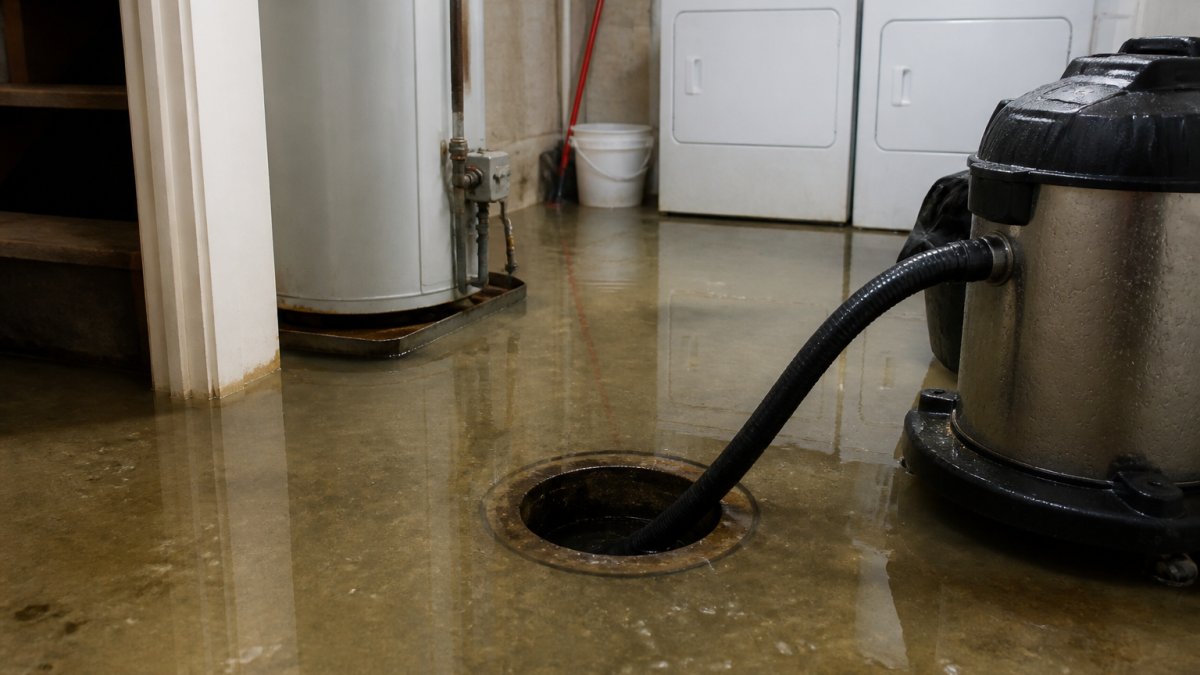
Table of Contents
- First Hour: Immediate Actions During a Sewage Backup
- Understanding Sewer Backup Causes
- Sewage Backup Health Risks and Safe Entry
- When to Call a Professional and Sewage Backup Cleanup
- Documenting Damage and Sewage Backup Insurance Coverage
- Preventing Future Sewage Backups
- Conclusion
- Frequently Asked Questions
Last Updated: October 8, 2026
First Hour: Immediate Actions During a Sewage Backup
A sewage backup is a serious emergency. Raw sewage contains harmful bacteria, viruses, and parasites that pose immediate health risks to you, your family, and your pets. The first hour determines whether damage spreads or stays contained.
Here’s what you need to do right now.
Stop using all drains immediately
Using any drain when a backup exists forces more contaminated water into your home. Every flush, every drain you run, pushes the problem deeper.
If you have a basement floor drain, do not use it either. Assume all drains are connected to the same blocked or damaged sewer line until a professional confirms otherwise.
Put a sign on every toilet telling household members not to use them. Tape off bathroom doors if you have children or guests who might not understand the urgency.
Evacuate contaminated areas and keep others away
Sewage is Category 3 water, the most dangerous classification. It contains pathogens that cause serious illness. Do not let anyone, including children and pets, enter areas with visible sewage or contaminated water.
If sewage has backed up into your basement, kitchen, or bathroom, keep people out of that space entirely. This includes:
- Children who may not understand the danger
- Pets that could track contamination through your home
- Guests or service providers who haven’t been warned
- Anyone with compromised immune systems
Move your family to an unaffected area of your home. If the backup is extensive or the contaminated area is large, consider leaving your home temporarily. Exposure to sewage can cause serious infections, respiratory problems, and gastrointestinal illness.
Do not attempt to clean contaminated areas yourself. Professional remediation requires specialized equipment and training.
Check electrical safety and circuit breaker
Sewage and water are both conductors of electricity. If contaminated water has reached electrical outlets, appliances, or your electrical panel, you have an electrocution hazard.
Check these immediately:
- Outlets in or near the affected area
- Electrical appliances (water heater, furnace, washer, dryer) in the basement or lower level
- Light switches and fixtures near the backup
- Your electrical panel itself
If water has reached any electrical equipment, do not touch it. Do not attempt to turn off appliances by hand.
If water has reached your electrical panel or if you’re uncomfortable working with your breaker box, call a licensed electrician immediately.
Understanding Sewer Backup Causes
Knowing why your sewage backup happened helps you prevent it from happening again and informs your conversation with a professional plumber.
Tree roots and pipe damage
Tree roots are one of the most common causes of sewage backup. Roots are attracted to the moisture and nutrients in sewer lines.
Pipe damage from age, settling, or poor installation creates the same problem. Older homes often have clay or cast-iron sewer pipes that crack or collapse over decades.
If your home is older or you have large trees near your property line, root intrusion and pipe damage are likely culprits. A professional plumber can use a camera to inspect your sewer line and identify the exact cause.
Drain blockage and heavy rainfall
A simple drain blockage, hair, grease, soap, or debris, can cause a sewage backup if it’s severe enough or located in a main drain line. Kitchen grease is a common offender.
Heavy rainfall overwhelms municipal sewer systems in many areas. When the system is at capacity, sewage backs up through residential connections.
Check with your city or municipality to see if other homes in your area experienced backups at the same time. If they did, the issue is likely municipal, not your responsibility.
Sewage Backup Health Risks and Safe Entry
Sewage contains E. coli, hepatitis A, salmonella, cryptosporidium, and other pathogens that cause serious illness. Exposure through skin contact, inhalation, or ingestion can result in gastrointestinal infections, respiratory infections, and skin infections.
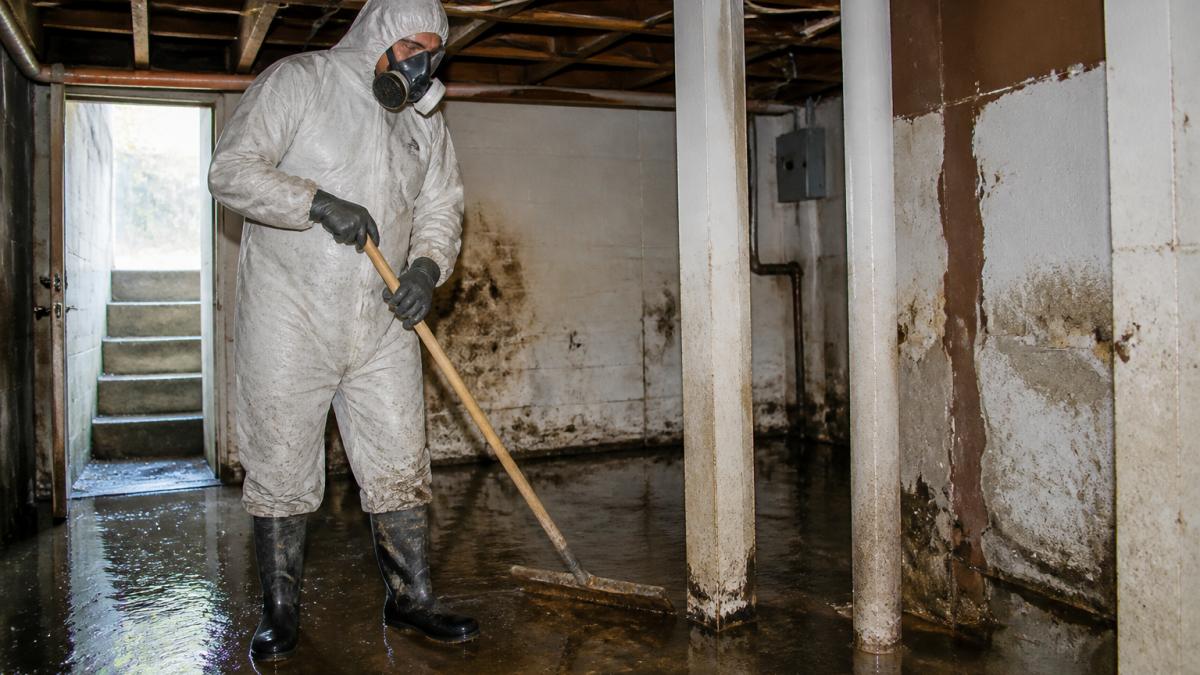
Category 3 water contamination and disease exposure
Category 3 water is the highest contamination level. It includes sewage, toilet overflow, and water from flooded rivers or contaminated groundwater.
Do not touch contaminated water with bare skin. Do not allow it to splash on your face or clothing. Do not breathe in mist or aerosols from contaminated areas.
If you or a family member has been exposed to sewage, wash thoroughly with soap and water.
Personal protective equipment requirements
If you must enter a contaminated area before professional cleanup arrives, to retrieve important documents, medications, or other essentials, wear proper protective equipment:
- Rubber gloves (latex or nitrile)
- Protective clothing (long sleeves, long pants, or a full-body suit)
- Respiratory protection (N95 mask or higher)
- Boot covers or waterproof boots
- Eye protection if there’s any splash risk
Even with protective equipment, limit your time in the contaminated area. The longer you stay, the greater your exposure risk. Do not eat, drink, or smoke while in the area.
After leaving the contaminated space, remove protective equipment carefully. Do not touch your face or mouth before washing your hands. Wash all exposed skin with soap and water.
When to Call a Professional and Sewage Backup Cleanup
This is where most homeowners make a critical mistake: they try to clean up sewage themselves to save money. This is dangerous and often illegal.
Professional remediation versus DIY limits
Sewage cleanup is not a DIY job. Professional water damage restoration companies have specialized equipment, training, and insurance. They follow health and safety protocols that protect you and your home.
Attempting to clean sewage yourself exposes you to serious illness. It also risks spreading contamination throughout your home if you don’t follow proper containment procedures. Many jurisdictions require licensed professionals to handle Category 3 water cleanup.
Call a professional water damage restoration company immediately. They will:
- Remove contaminated water and sewage
- Dispose of contaminated materials safely
- Clean and disinfect affected areas
- Dry and dehumidify to prevent mold
- Document damage for insurance purposes
At Spencer4Hire Plumbing, we understand that sewage backups are emergencies. We address the underlying plumbing issue.
Water damage restoration and mold prevention
After sewage is removed, the real work begins. Contaminated materials, drywall, insulation, flooring, carpet, often cannot be salvaged and must be removed. Porous materials absorb sewage and harbor pathogens even after cleaning.
Drying and dehumidification prevent mold growth. Mold thrives in wet environments and can develop within 24-48 hours of water exposure.
This process takes days or weeks, depending on the extent of damage. Your home may be temporarily uninhabitable during restoration. Some insurance policies cover temporary housing costs, check your policy.
Documenting Damage and Sewage Backup Insurance Coverage
Your insurance claim depends on thorough documentation. Photograph and document everything before cleanup begins.
Photographing contaminated materials and water damage
Take photos and videos of:
- The visible sewage or contaminated water
- Affected rooms and areas
- Damaged materials (drywall, flooring, furniture, belongings)
- The source of the backup if visible (floor drain, toilet overflow, etc.)
- Water lines on walls showing how high the water reached
Include wide shots showing the overall damage and close-ups of specific items. Photograph from multiple angles. Video walkthroughs are also helpful, they show the extent of damage more clearly than still photos.
Keep receipts for any emergency measures you take (tarps, pumps, temporary repairs). These are often reimbursable.
Filing an insurance claim and coverage limits
Contact your insurance company as soon as possible. Most policies require prompt notification. Provide them with:
- Photos and videos of damage
- A detailed description of what happened
- The date and time the backup occurred
- Receipts for emergency cleanup or temporary repairs
- Names and contact information for any professionals you’ve called
Be aware that many homeowners insurance policies exclude or limit coverage for sewage backup. Backup coverage is often a separate add-on. If your policy doesn’t cover sewage backup, you may be responsible for all cleanup and repair costs.
Review your policy now, before you need it. If sewage backup isn’t covered, contact your insurance agent about adding backup coverage. It’s inexpensive and essential if you live in an area prone to backups.
Preventing Future Sewage Backups
Once you’ve dealt with the emergency, focus on prevention. The right measures can save you thousands in future damage.
Backwater valves and drain cleaning
A backwater valve is a one-way valve installed in your sewer line or floor drain.
Installation costs vary, but a backwater valve is far cheaper than cleaning up sewage damage.
Regular drain cleaning prevents blockages that lead to backups. Hair, grease, and soap accumulate in drain lines over time. Professional drain cleaning removes these blockages before they cause problems.
Do not use chemical drain cleaners. They damage pipes and don’t solve the underlying problem. Professional cleaning is safer and more effective.
Hydro jetting and pipe repair options
Hydro jetting uses high-pressure water to clear stubborn blockages and remove buildup from inside pipes. It’s more thorough than traditional snaking and can extend the life of your pipes.
If your sewer line is damaged, cracked, collapsed, or invaded by tree roots, repair or replacement may be necessary. Modern options include:
- Pipe bursting: Breaking the old pipe and pulling a new one through in its place
- Trenchless pipe repair: Inserting a new pipe inside the damaged one without digging
- Traditional excavation and replacement: Digging up and replacing the pipe (most disruptive but sometimes necessary)
A professional plumber can recommend the best option based on the extent of damage and your home’s layout.
Conclusion
Sewage backup is a serious emergency that demands immediate action: stop using drains, evacuate contaminated areas, check electrical safety, and call a professional. Do not attempt to clean sewage yourself, the health risks are real, and professional remediation is essential.
Once you’ve addressed the emergency, focus on prevention. A backwater valve, regular drain cleaning, and professional inspection of your sewer line can prevent future backups. Spencer4Hire Plumbing offers 24/7 emergency response. Call us now to schedule an inspection or discuss backup prevention options for your home.
| Action | Timing | Priority |
|---|---|---|
| Stop using all drains | Immediately | Critical |
| Evacuate contaminated areas | Immediately | Critical |
| Check electrical safety | Within minutes | Critical |
| Call professional cleanup | Within hours | High |
| Document damage with photos | Before cleanup | High |
| Contact insurance company | Within 24 hours | High |
| Schedule sewer line inspection | Within 1-2 weeks | Medium |
| Install backwater valve | Plan within month | Medium |
Do not enter areas with visible sewage without full protective equipment. Exposure to Category 3 water can cause serious illness. Professional cleanup is required by law in most jurisdictions.
Take photos and videos of all damage before cleanup begins. Insurance companies require documentation, and photos are your proof of what was damaged. Keep receipts for any emergency measures you take, they may be reimbursable.
Frequently Asked Questions
What should I do first during a sewage backup?
Stop using all drains, toilets, and water immediately to prevent more sewage from entering your home. Evacuate the affected area and keep children and pets away from contaminated water. Check that electrical hazards are not present, turn off the circuit breaker if water is near electrical outlets. Contact a professional plumber or water damage restoration service right away. Do not attempt to clean up sewage backup on your own without proper protective equipment and training.
Is a sewage backup a biohazard?
Yes. Sewage backup is classified as Category 3 water, the most contaminated type. It contains harmful bacteria, viruses, and pathogens that cause serious illness. Direct contact with contaminated water or materials can lead to gastrointestinal infections, respiratory illness, and skin infections. Never touch sewage or contaminated materials without full protective equipment. Professional remediation teams have the training and equipment to safely remove and disinfect contaminated areas.
Why would sewage back up into my home?
Sewage backup occurs when the sewer line becomes blocked or damaged, preventing wastewater from flowing away from your home. Common causes include tree roots growing into pipes, pipe damage or collapse, drain blockage from grease or debris, and heavy rainfall overwhelming the municipal sewer system. A licensed plumber can inspect your sewer line to identify the exact cause and recommend repair options.
Does my home insurance cover sewage backup damage?
Coverage for sewage backup depends on your specific insurance policy. Most standard homeowners policies do not automatically cover sewage backup; you typically need a separate sewage backup endorsement or rider. Document all damage with photographs of contaminated materials, water damage, and affected areas before cleanup begins. Contact your insurer immediately and provide detailed documentation to support your claim. Review your policy now to understand your coverage limits and determine if you need additional protection.