Table of Contents
- What a Residential Plumbing Inspection Includes
- Plumbing Inspection Checklist: What Inspectors Assess
- Plumbing Inspection Before Buying a House: Why It Matters
- How Long Does a Plumbing Inspection Take
- Sewer Camera Inspection Cost and What It Reveals
- Factors That Affect Plumbing Inspection Cost
- Inspection vs. Repair: Understanding the Difference
- Frequently Asked Questions
Last Updated: October 11, 2026
What a Residential Plumbing Inspection Includes
Understanding the plumbing inspection cost is important, and a residential plumbing inspection is a thorough examination of your home’s water supply, drainage, and fixture systems. At Spencer4Hire Plumbing, we evaluate everything from visible pipes to hidden lines behind walls, checking for leaks, corrosion, blockages, and code violations that could affect safety or function.
The inspection covers supply lines bringing fresh water in, drain lines carrying wastewater out, water pressure, fixtures like toilets and sinks, and your water heater and sump pump.
Most inspections include a visual walkthrough of accessible plumbing. Optional camera work sends a small camera through pipes to reveal blockages, tree root intrusion, or cracks invisible to the naked eye.
The goal is simple: catch problems before they become expensive. A small leak found early costs far less than water damage discovered months later.
Plumbing Inspection Checklist: What Inspectors Assess
When you book a plumbing inspection, here’s what gets checked.
Water supply system:
- Water pressure at multiple fixtures
- Pipe material and condition (copper, PVC, galvanized steel)
- Shut-off valves and their function
- Water meter and connections
- Signs of leaks or corrosion
Drain and vent system:
- Drain line slope and alignment
- P-traps under sinks and fixtures
- Vent stack condition
- Signs of blockages or slow drains
- Cleanout access points
Fixtures and appliances:
- Toilet operation and tank condition
- Faucet function and water flow
- Shower and tub drainage
- Water heater age and condition
- Washing machine and dishwasher connections
Structural concerns:
- Signs of water damage on walls or ceilings
- Mold or mildew around plumbing areas
- Basement or crawlspace conditions
- Evidence of past leaks or repairs
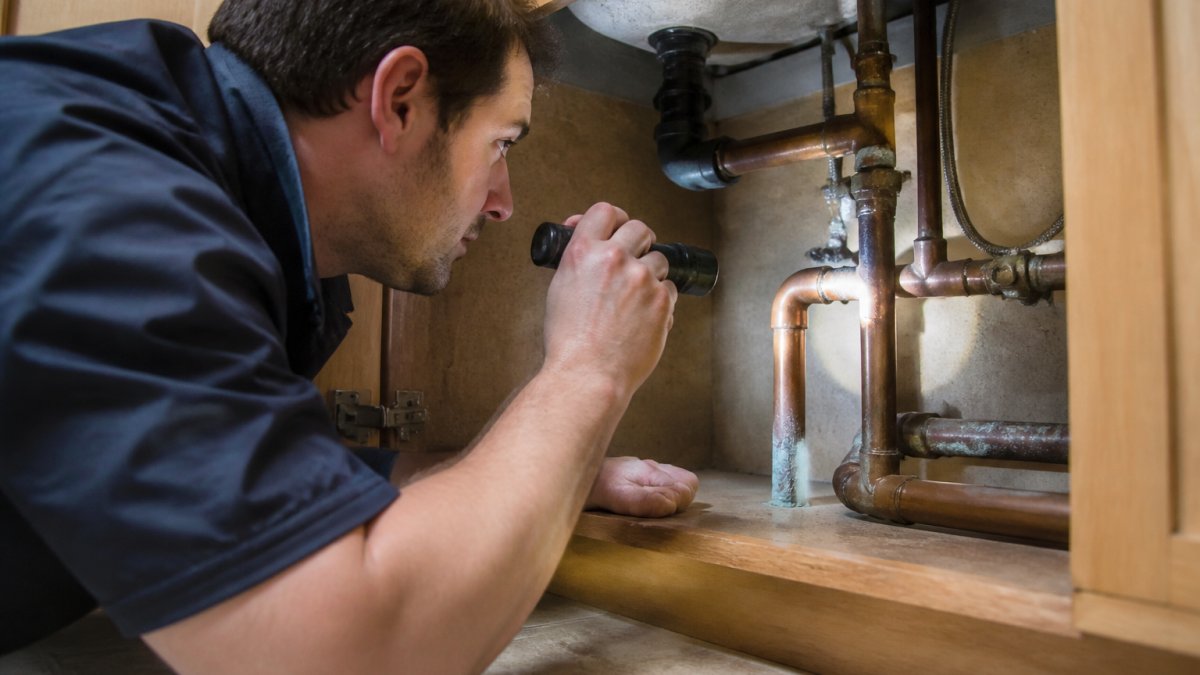
Red flags the inspector documents:
- Galvanized pipes showing rust or discoloration
- Cracks or holes in visible pipes
- Slow drainage or backups
- Low water pressure
- Improper venting or slope issues
- Outdated or failing fixtures
Plumbing Inspection Before Buying a House: Why It Matters
If you’re buying a home, a dedicated plumbing inspection before closing is essential and differs from the plumbing assessment in a general home inspection.
Home inspection vs. specialist plumbing inspection:
A general home inspector evaluates overall property condition including plumbing. Their plumbing assessment is a visual walkthrough checking for obvious leaks, water pressure, and water heater age, but without specialized equipment, camera inspections, or detailed diagnostics.
A specialist plumbing inspection goes deeper. A licensed plumber spends 1 to 2 hours examining water supply, drain lines, fixtures, and sewer connections using video cameras to inspect hidden lines and assess pipe condition throughout the home, producing a detailed report.
For most homebuyers, a specialist plumbing inspection is worth the extra cost, especially for homes older than 30 years or with a history of plumbing problems.
When to order a specialist inspection:
Consider a dedicated plumbing inspection if:
- The home was built before 1990 (galvanized steel pipes and outdated venting are common)
- The listing mentions past plumbing repairs or water damage
- The home is on a septic system or has an older municipal sewer connection
- The property has a basement or crawlspace with visible pipe corrosion or staining
- The general home inspector noted plumbing concerns but did not investigate further
- You notice slow drains, low water pressure, or rust-colored water during your viewing
- The home is in an area prone to tree root intrusion or soil movement
What a pre-purchase inspection reveals:
Older homes carry higher risk. Galvanized steel pipes common in homes built before the 1980s corrode from the inside, weakening over time. Replacing them can cost $5,000 to $15,000 or more depending on home size and layout.
A pre-purchase plumbing inspection reveals whether the home needs repiping, if the water heater requires replacement, whether the sewer line has tree root damage or cracks, and if there are code violations affecting safety or resale value.
Using inspection findings in negotiations:
This information gives you leverage. A failing water heater or sewer line damage can be negotiated with the seller, either requesting repairs or a price reduction. Major repiping needs can be factored into your offer or justify walking away.
Skipping the specialist plumbing inspection to save $200-$400 is false economy. One major problem discovered after purchase, a sewer line collapse or galvanized pipe failure, costs far more than the inspection itself.
Sewer camera inspection at purchase:
If the home is older than 40 years or shows sewer issues, add a sewer camera inspection. The camera reveals blockages, tree root intrusion, cracks, and structural damage. Since sewer line replacement costs $10,000 to $25,000, knowing its condition before buying is critical.
Getting the inspection done:
Schedule the specialist plumbing inspection after your offer is accepted but before closing. Most inspectors accommodate within 5-10 business days. Ensure the inspector can access all areas, including the basement, crawlspace, and exterior cleanouts.
Request a written report with photos or video. This documentation is valuable if you need to negotiate repairs or if you discover problems after closing and need evidence of the pre-purchase condition.
How Long Does a Plumbing Inspection Take
A typical plumbing inspection takes 1 to 2 hours, depending on home size and complexity.
Factors that affect duration:
- Square footage of the home
- Number of bathrooms and fixtures
- Accessibility of pipes (crawlspace, basement, attic)
- Whether camera inspection is included
- Condition of visible plumbing
- Age and complexity of the system
A small apartment inspection might take 45 minutes; a large home with multiple bathrooms could take 2 to 3 hours, longer if problems require closer examination.
Camera inspections add 30 to 60 minutes, revealing blockages, cracks, or root intrusion invisible to the naked eye.
Plan to be home during the inspection so the inspector can access all areas and ask about past repairs, water pressure issues, or drainage problems you’ve noticed.
Sewer Camera Inspection Cost and What It Reveals
A sewer camera inspection sends a small video camera through your drain or sewer line, revealing blockages, cracks, tree root intrusion, and pipe deterioration.
What the camera shows:
- Grease or debris buildup inside pipes
- Cracks or holes in the line
- Tree roots growing into the pipe
- Misaligned or collapsed sections
- Corrosion or mineral buildup
- Offset joints or poor connections
This inspection is invaluable for older homes or properties with drainage problems. If drains back up frequently or you smell sewer gas, a camera inspection identifies the cause.
The operator watches a video feed as the camera travels through the line, documenting problem areas with video and still images for your report.
Many homeowners add a sewer camera inspection when buying a home. It costs more than a basic inspection but provides critical information about one of your home’s most important systems.
Factors That Affect Plumbing Inspection Cost
Several factors influence what you’ll pay for a plumbing inspection in 2026, and understanding them helps you budget accurately and compare quotes fairly.
Base inspection cost and what’s included:
A standard residential plumbing inspection covers visual examination of supply and drain lines, fixture testing, water pressure checks, water heater assessment, and documentation of visible issues.
Camera sewer inspection add-on:
A sewer line camera inspection is a separate service that reveals blockages, tree root intrusion, cracks, and structural damage. Many homebuyers add this for older homes or properties with drainage issues.
Home size and complexity:
Larger homes with multiple bathrooms cost more to inspect.
Age of the home:
Newer homes (post-2000) have simpler systems and cost less to inspect. Older homes (pre-1980) require more detailed examination for galvanized steel pipes and outdated venting.
Accessibility:
Homes with accessible crawlspaces or basements cost less to inspect than those on slab foundations or with tight spaces.
Additional testing services:
Water pressure testing is usually included in the base inspection. However, water quality testing (for hardness, pH, or contaminants), thermal imaging to locate hidden leaks, or pressure tank inspection may be charged separately.
Urgency and scheduling:
Same-day or next-day appointments may carry a premium. Emergency inspections outside standard business hours (evenings, weekends, holidays) typically cost more. If you need results quickly, budget accordingly.
Location-specific factors:
Properties in areas with older municipal infrastructure, clay-heavy soil (which increases tree root intrusion risk), or known water quality issues may warrant more thorough inspection. Some inspectors charge slightly more for these properties because the risk profile is higher and the inspection requires extra attention to sewer line condition and water supply reliability.
Comparing quotes: what to watch for:
When you receive inspection quotes, compare what’s included, not just the price. Ask each inspector:
- Is the sewer camera inspection included or extra?
- Do you provide a written report with photos or video?
- Are water pressure tests and fixture checks included?
- What is your cancellation or rescheduling policy?
- Do you offer a follow-up consultation to explain findings?
The lowest price is not always the best value. An inspector who rushes through a home in 45 minutes and provides no documentation may miss problems that a thorough, 2-hour inspection would catch. Conversely, an inspector charging significantly above the typical range should be able to explain why, perhaps they offer thermal imaging, specialized equipment, or a detailed written report as standard.
Inspection vs. Repair: Understanding the Difference
An inspection identifies problems. A repair fixes them. These are separate services with different costs and purposes.
Inspection:
- Visual and technical examination of systems
- Documentation of current condition
- Identification of issues and risks
- Report with findings and recommendations
- No work is done to the plumbing itself
Repair:
- Physical work to fix identified problems
- Materials and labor to restore function
- May require replacing pipes, fixtures, or components
- Includes testing to confirm the fix worked
- Warranty or guarantee on the work performed
Many homeowners think an inspection includes repairs. It doesn’t. The inspector documents what’s wrong. You then decide whether to fix it, get quotes from repair specialists, or negotiate with a seller if you’re buying.
This distinction matters for budgeting. Budget for the inspection separately from repairs. A leak discovered during inspection might be a small fix or a major job depending on where it’s located and how long it’s been leaking.
Some homeowners get multiple repair quotes after an inspection. This is smart. Different contractors may recommend different solutions. One might suggest replacing a section of pipe. Another might recommend patching and monitoring. Getting quotes helps you understand your options and costs.
Spencer4Hire Plumbing offers both inspection and repair services. If we find a problem during inspection, we can provide a detailed estimate for the repair work. You’re never obligated to use us for repairs, but having the option from someone who already knows your system is convenient.
A plumbing inspection protects your home and your wallet. Whether you’re buying a property or maintaining one you own, understanding what gets inspected and what it costs helps you make informed decisions. Spencer4Hire Plumbing provides thorough inspections with clear communication about findings and options. Our licensed professionals document everything and explain what you’re seeing. Call us today to schedule your plumbing inspection and get peace of mind about your home’s water and drainage systems.
Frequently Asked Questions
How much does a plumbing inspection cost?
Plumbing inspection cost depends on scope, property size, and whether specialized equipment like sewer cameras is needed. A basic inspection of accessible fixtures and visible pipes costs less than a comprehensive assessment with camera work. Contact Spencer4Hire Plumbing for a quote tailored to your home’s specific needs and condition.
What should I include in a plumbing inspection checklist before buying a house?
A thorough plumbing inspection checklist covers water pressure, drain flow, visible leaks, pipe material and age, water heater condition, fixture functionality, and sewer line integrity. Hidden issues like corrosion inside walls or blockages deep in drain lines require camera inspection. A licensed plumber will identify red flags that could lead to costly repairs after purchase.
How long does a plumbing inspection take?
A standard plumbing inspection typically takes 1 to 2 hours for a residential property, depending on home size and system complexity. Properties with multiple bathrooms, older pipes, or suspected problems may take longer. Sewer camera inspections add 30 minutes to 1 hour. Spencer4Hire Plumbing provides time estimates when you book your inspection.
What is the cost of a sewer camera inspection?
Sewer camera inspection cost is typically higher than a basic plumbing inspection because it requires specialized equipment and expertise. The camera reveals blockages, cracks, tree root intrusion, and pipe deterioration inside the line. Pricing varies based on line length and accessibility. Get a transparent quote from Spencer4Hire Plumbing to understand what a sewer camera inspection will cost for your property.