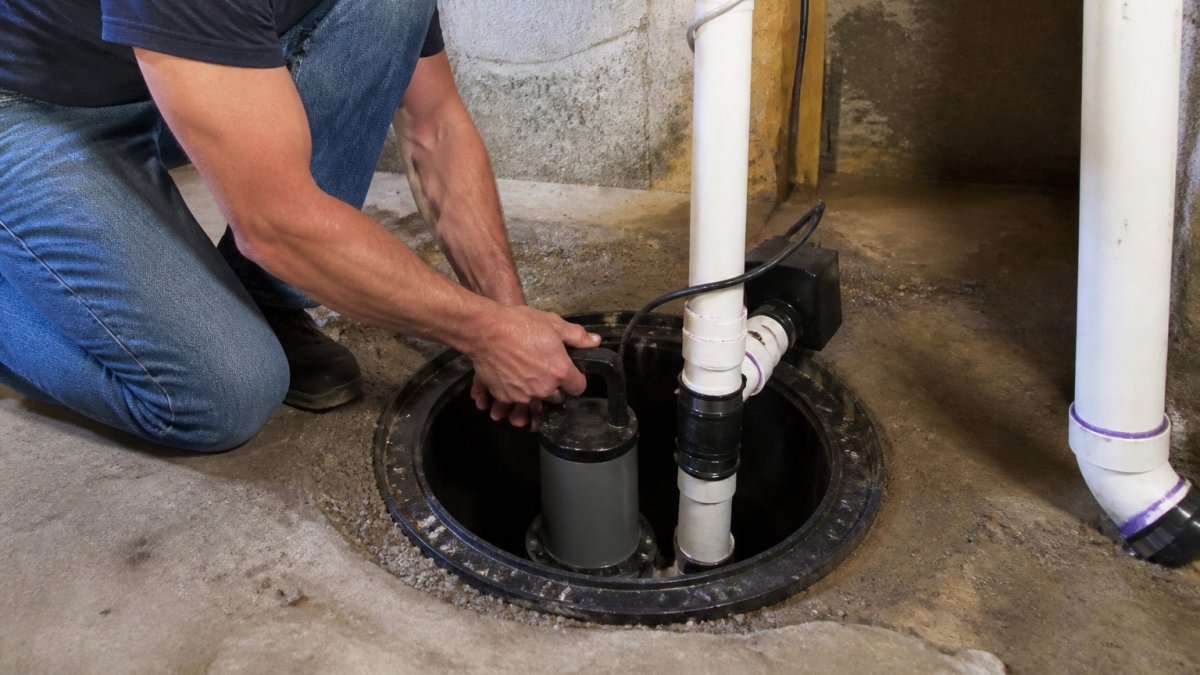
Quick Summary
The best sump pump installation services are those that inspect your basin, drain tile and discharge route before quoting, and put the discharge plan in writing. Compare installers on site assessment, sizing rationale, licensing and insurance, and written warranties for both pump and workmanship.
- Insist on a site visit before any quote, since a phone estimate is only a placeholder.
- Get the discharge route written down, because a line draining toward the foundation sends water back into the basement.
- Ask for pump sizing based on basin inflow and lift height, not horsepower alone.
- Confirm the licence number and liability insurance before hiring anyone for the work.
- Require both pump and workmanship warranties in writing, with stated durations.
Table of Contents
- What a Sump Pump Installation Actually Involves
- Sump Pump Installation Cost: What Affects the Price
- Choosing the Right Sump Pump Horsepower and Sizing
- Sump Pump Backup System Installation: When You Need One
- How to Evaluate the Best Sump Pump Installation Services
- Sump Pump Maintenance Checklist for Long-Term Reliability
- Booking Your Sump Pump Installation With Spencer4Hire Plumbing
- Frequently Asked Questions
What a Sump Pump Installation Actually Involves
Last Updated: October 28, 2026
A sump pump installation looks simple from the outside: a pit, a pump, and a pipe. In practice, it is a sequence of decisions about drainage, electrical load, and where the water ends up. The job usually runs through the same core steps.
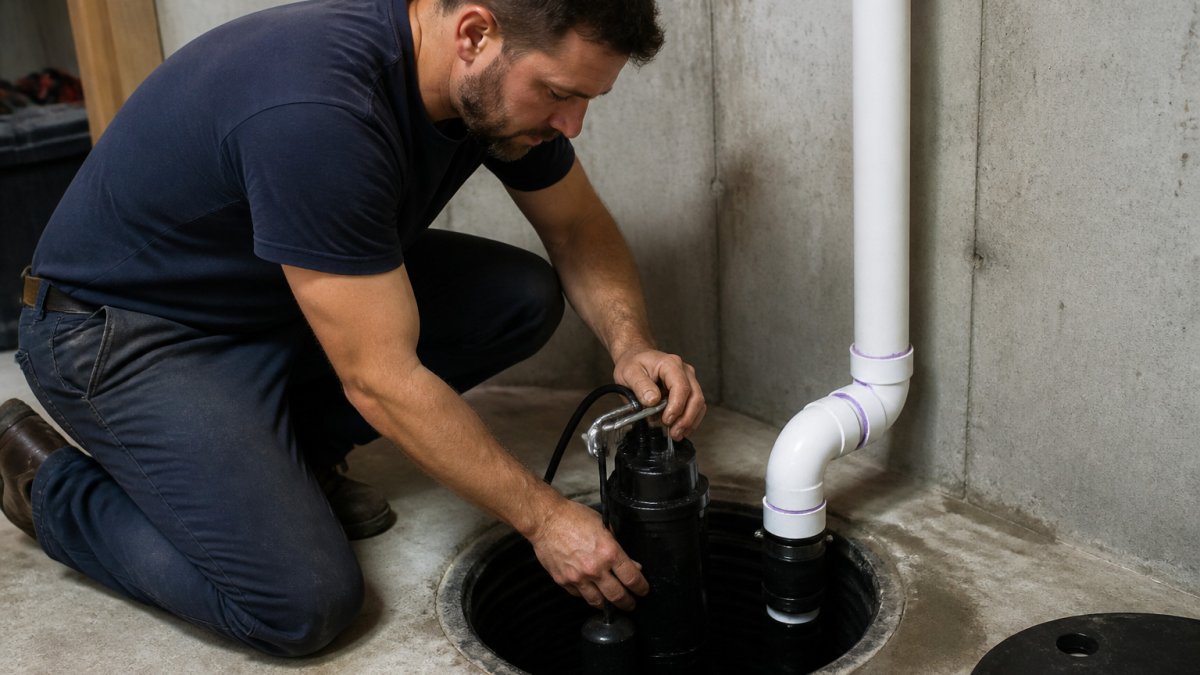
A sump pump is a pump housed in a pit (the sump basin) that moves groundwater out of the foundation before it can flood the basement. The basin collects water through perimeter drain tile, and the pump discharges it through a pipe to a safe outlet away from the house.
Watch out: the discharge line is the step homeowners most often get wrong. If it drains back toward the foundation or into a low spot, the pumped water simply returns to the basement.
Sump Pump Installation Cost: What Affects the Price
Ask for the quote broken into equipment, labour, electrical, and permit lines. A single lump-sum figure makes it hard to compare two installers fairly, and it hides whether the electrical work is actually included.
Spencer4Hire Plumbing provides pricing and quote details on its website, so readers can check current figures directly rather than relying on a generic range.
Choosing the Right Sump Pump Horsepower and Sizing
Pump sizing depends on how much water the basin must move and how high it must lift it. Horsepower is a rough guide, but flow rate (gallons per minute) and lift height (total dynamic head) are the figures that matter for selecting a pump.
A pump that is too small runs constantly and wears out early. A pump that is too large cycles on and off too quickly, which shortens motor life and can leave a basin not fully emptied. Matching the pump to the basin volume and the discharge height gives the most reliable operation.
Watch out: a pump sized only for the current water table may fall short during spring thaw or heavy rain, when the inflow rate rises sharply.
Sump Pump Backup System Installation: When You Need One
A backup system is intended to provide an alternative when the main pump fails. Two options are a battery backup pump, which runs on a separate battery, and a water-powered backup, which uses municipal water pressure.
A backup is worth considering if the home has a finished basement, valuable contents, or a history of storm-driven flooding. Homeowners who want protection against sewer backups alongside a sump pump can look at backwater valve installation options. Homes that lose power during storms are the most exposed. backwater valve installation guidance is often installed alongside it to guard against sewer backups.
How to Evaluate the Best Sump Pump Installation Services
“Best” is not a single ranking, it depends on which criteria matter for your basement. The most useful approach is to score each installer against the same short list, so the comparison is evidence-based rather than driven by who answered the phone first.
Use these five criteria, and ask for a concrete answer on each:
- Site assessment before quoting. A credible installer inspects the basin location, drain tile, floor slope, and discharge route before giving a number. A quote given over the phone without a visit is a placeholder, not a price.
- Discharge plan in writing. The quote should state where the water goes and how the line is routed, not just that a line is included. This is the step most likely to fail later.
- Sizing rationale. The installer should explain the recommended pump capacity in terms of basin inflow and discharge lift height, not just horsepower.
- Licensing and insurance. Ask for the licence number and confirmation of liability coverage. Electrical connections and drainage work should be handled by someone trained and insured for them.
- Written warranty on both pump and workmanship. The pump warranty is the manufacturer’s; the workmanship guarantee is the installer’s. Both should be in writing, with a stated duration.
A simple comparison table you can fill in while you gather quotes:
| Criterion | What to record |
|---|---|
| Site visit | Date and whether drain tile was inspected |
| Discharge route | Where water exits and how the line runs |
| Pump model and capacity | Make, model, flow rate, lift rating |
| Electrical scope | New circuit, existing outlet, or separate trade |
| Permit handling | Who applies, who pays, who meets the inspector |
| Warranty | Pump term and workmanship term, both in writing |
| Backup option | Battery, water-powered, or none, priced separately |
Licensing, Permits, Warranties and Workmanship Guarantees
Book a sump pump installation with Spencer4Hire Plumbing if you want a quote for your basement.
Sump Pump Maintenance Checklist for Long-Term Reliability
- Test the pump by pouring water into the basin until it switches on.
- Confirm the float switch moves freely and is not snagged.
- Clear debris and sediment from the basin.
- Check that the discharge line is clear and drains away from the house.
- Verify the check valve closes and does not leak back.
- Test the backup system, if installed, on its own battery or water supply.
- Replace the pump if it runs constantly or makes unusual noises.
Booking Your Sump Pump Installation With Spencer4Hire Plumbing
Spencer4Hire Plumbing is licensed and insured. well pump installation and repair for homes that rely on private water.
Frequently Asked Questions
How much should it cost to install a new sump pump?
Get current pricing from the Spencer4Hire Plumbing website before you budget for the job.
Should I buy a 1/3 or 1/2 hp sump pump?
The right horsepower depends on how much water enters the sump basin and how high the pump must lift it. A 1/3 hp pump suits many standard residential basins with moderate groundwater and short vertical discharge runs, while a 1/2 hp pump is usually better where the water table is high, the lift is longer, or the home has a history of heavy flooding. A qualified installer can measure inflow and lift before recommending a size, which is more reliable than choosing by price alone.
Does sump pump installation include a backup pump?
Not automatically. A standard installation covers the primary pump, but a sump pump backup system installation is a separate scope that may add a battery backup pump, a water-powered backup, or a high-water alarm. Ask whether the quote includes a backup system and whether it is tested at commissioning. A backup pump matters most during power outages, which often coincide with the storms that cause basement flooding.
How long does sump pump installation take?
Most straightforward residential sump pump installations are completed in one visit, often within a few hours, once the basin, power supply and discharge route are confirmed. Jobs that require excavation, a new sump basin, electrical work, or a backup system can take longer. Ask the installer for an expected timeline during the quote so you know when the system will be tested and in service.